
Dental Implants

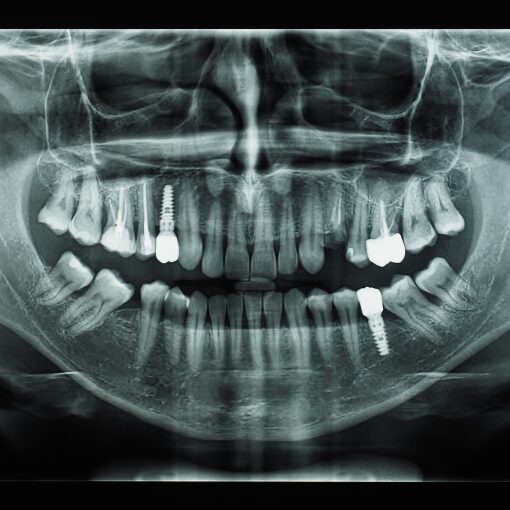
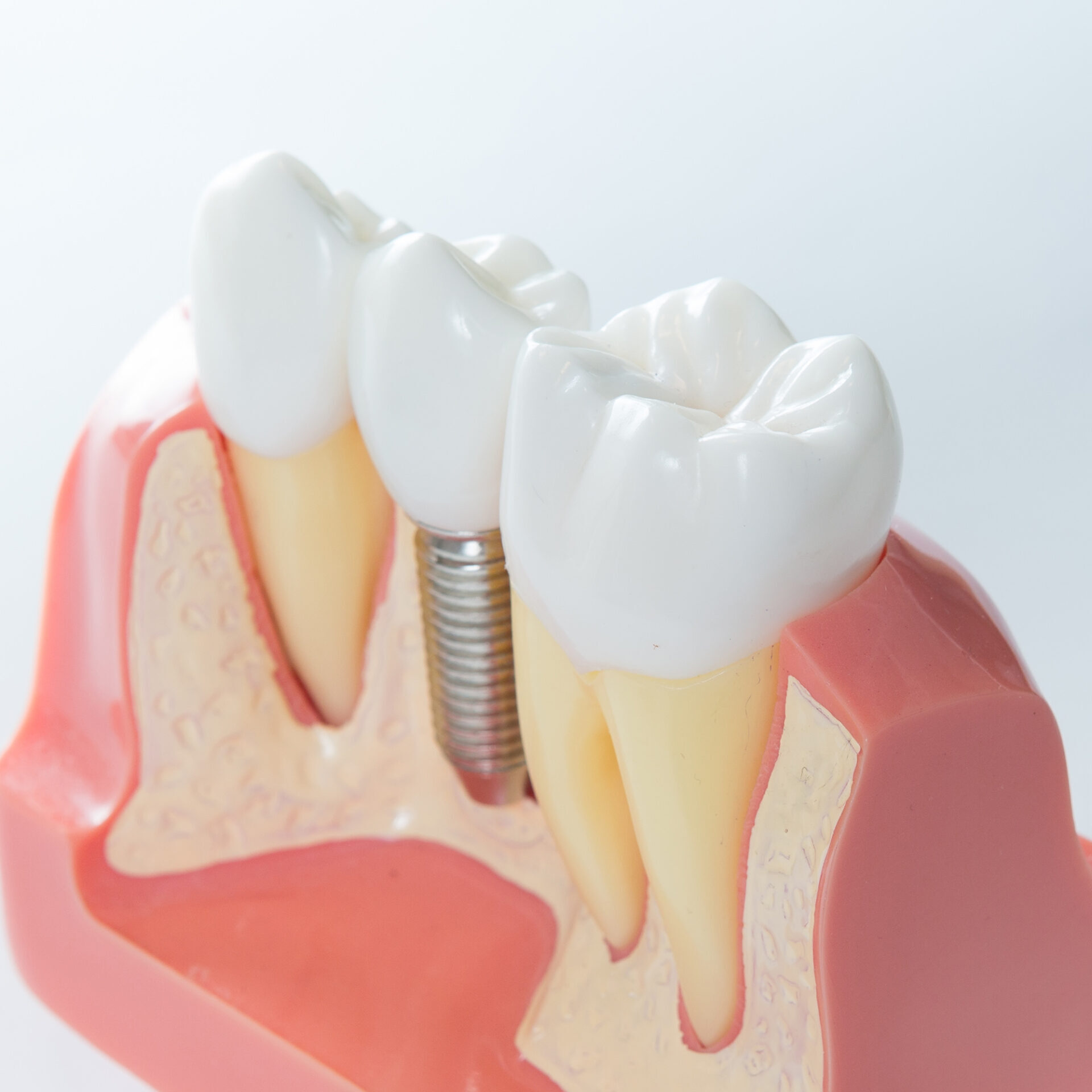
A dental implant is a small, durable post placed in the jawbone to replace a missing tooth root and support a crown or bridge. It’s an excellent option for patients with good oral health who have lost teeth due to injury, disease, or other causes. Designed to look and feel like natural teeth, implants restore both function and confidence.

When placed by a periodontist and properly maintained, dental implants can last a lifetime. They integrate with the jawbone and surrounding tissue, helping to preserve bone health and provide long-term stability. Because periodontists specialize in these structures, they play a key role in successful implant treatment.

Your periodontist and dentist will work together to determine the best placement and approach for your implant, creating a personalized treatment plan based on your unique needs.
Replacing a Single Tooth

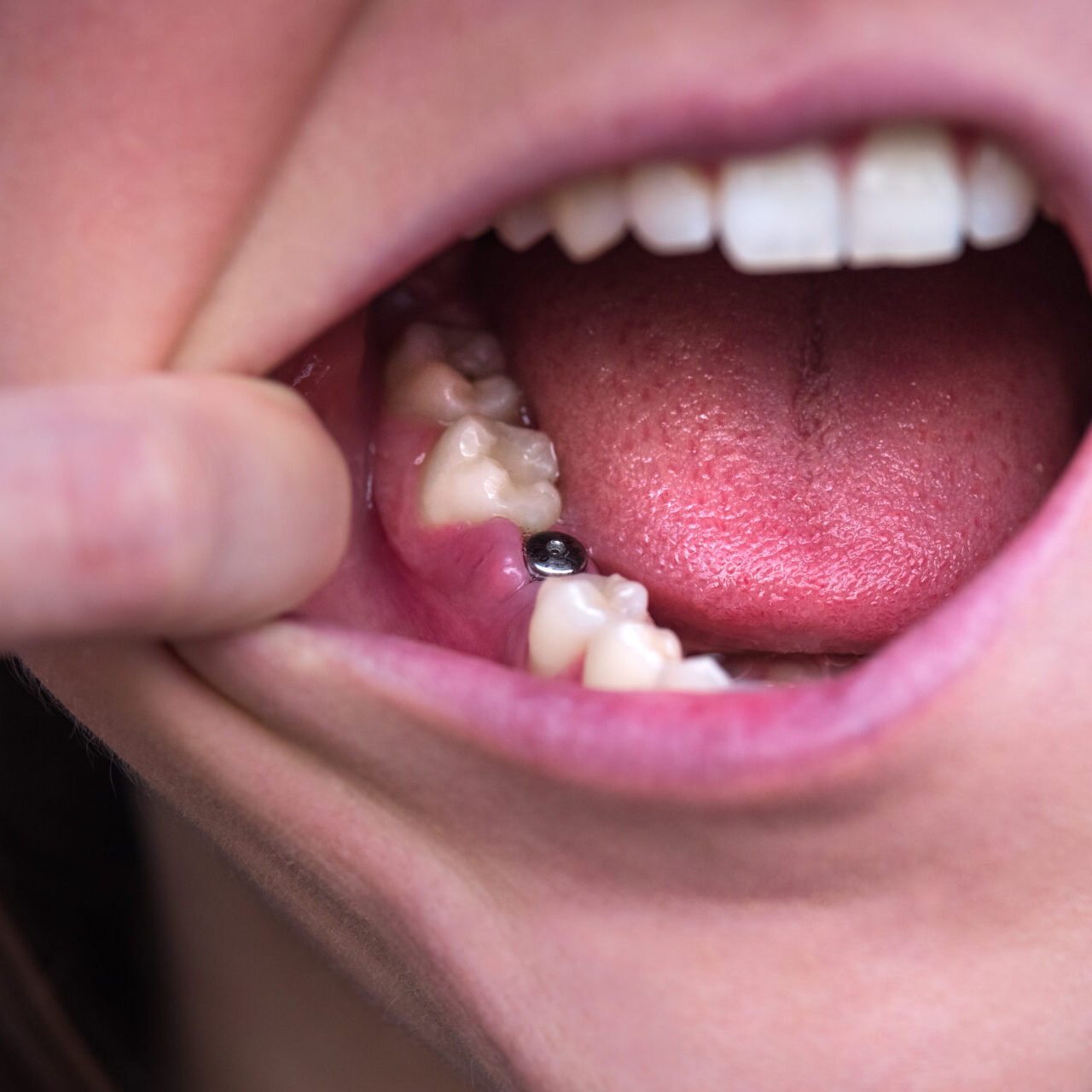
Single Tooth Implant. Young Woman Without Tooth On Lower Jaw. Missing Tooth. Implant After Tooth Extraction

A single dental implant topped with a custom crown can fully replace a missing tooth, including its root, restoring both function and appearance.

Why choose an implant over a bridge?
Dental implants look and function like natural teeth without impacting neighboring teeth. Unlike traditional bridges – which require adjacent teeth to be altered for support – implants stand independently and help preserve surrounding tooth structure.

Because implants replace the tooth root, they also help maintain jawbone health and prevent bone loss. Over time, this supports a more natural appearance and reduces the risk of changes in your smile.

In addition, implants are typically easier to care for and more durable long term, making them a reliable and aesthetically pleasing solution.

How is a dental implant placed?

Dental Implant

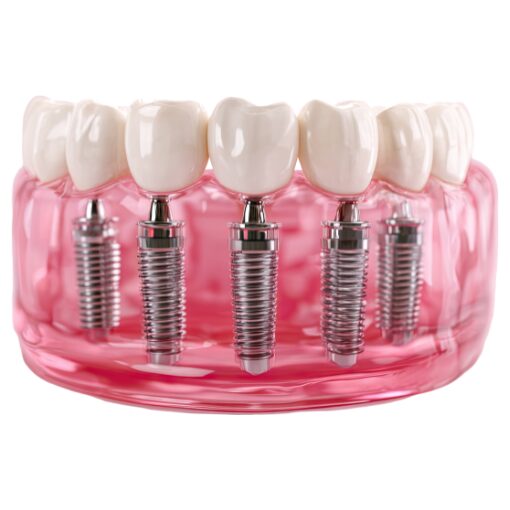
The implant, a small screw-like post, is placed into the jawbone where it acts as a replacement tooth root. Over the next few months, it naturally bonds with the bone to create a strong, stable foundation. During this healing period, a temporary tooth may be worn.

In some cases, a second minor procedure is needed to attach a small connector called an abutment, which supports the final restoration. Other implant systems combine this into a single step. Your periodontist will recommend the best approach for you.

Once healing is complete, your dentist will place a custom crown onto the implant. The result is a natural-looking, fully functional tooth that restores your ability to smile, speak, and chew with confidence.

Replacing Several Teeth

Dental Bridge Of 3 Teeth Over Molar And Premolar. Medically Accurate 3d Illustration Of Human Teeth Treatment

If you are missing multiple teeth, implant-supported bridges offer a stable, long-lasting solution by replacing both the teeth and some of their roots.

What are the advantages?
Unlike traditional bridges or partial dentures, implant-supported bridges do not rely on neighboring teeth for support. This helps preserve your natural teeth while maintaining jawbone health and preventing bone loss. The result is a more secure, comfortable, and natural-looking restoration that improves your ability to eat and speak.

What is the process?
Dental implants are placed into the jawbone and allowed to heal and bond over several months, creating a strong foundation. In some cases, a small connector (abutment) is added before the final restoration. Once healing is complete, your custom bridge is securely attached to the implants.

The end result is a durable, functional, and confident smile that looks and feels natural.

Replacing All of Your Teeth

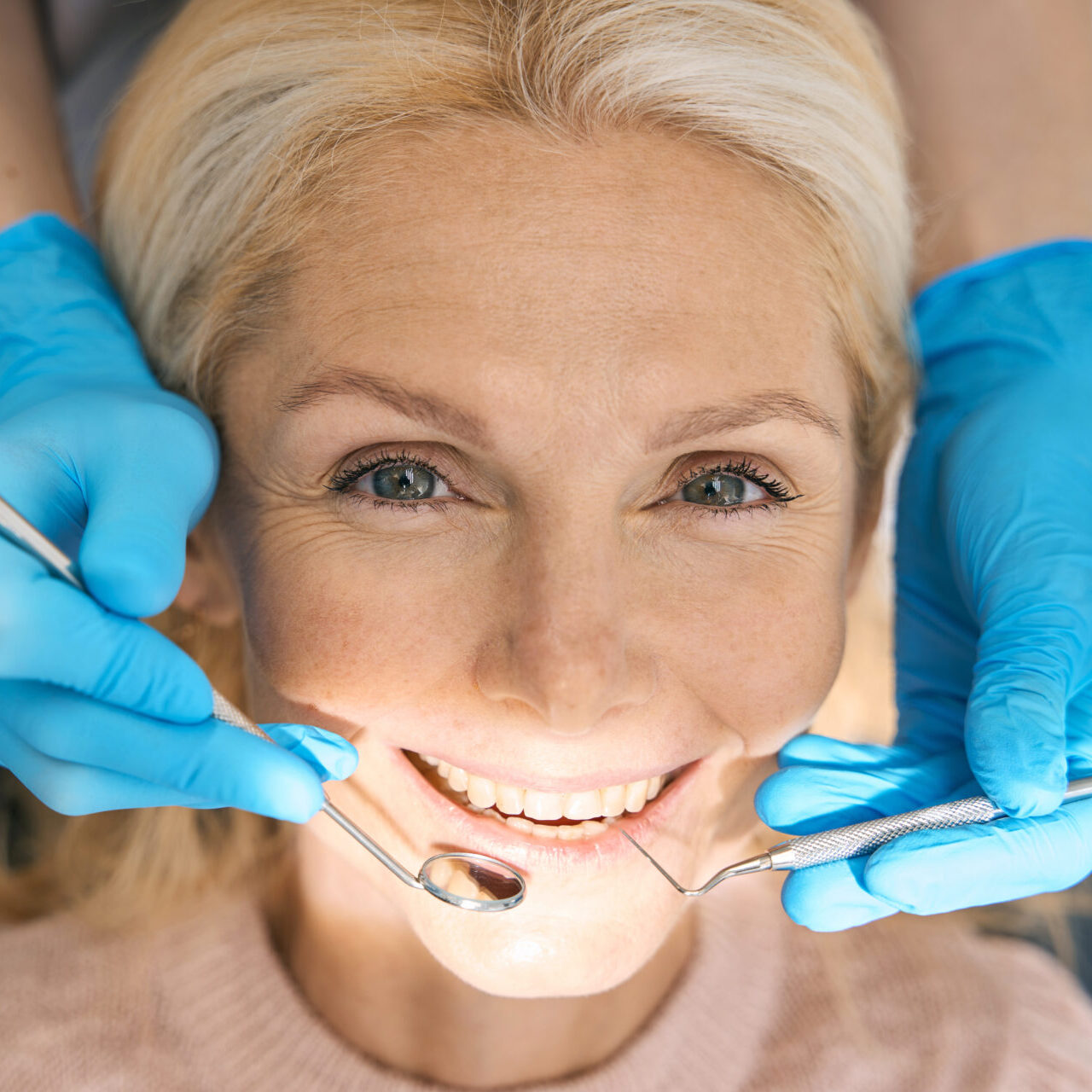
Smiling Woman Visiting Dental Cabinet For Procedure

If you are missing all of your teeth, implant-supported full bridges or dentures can restore your smile by replacing both the teeth and some of their roots.

What are the advantages?
Implant-supported restorations are more stable, comfortable, and natural-looking than traditional dentures. They allow for improved chewing and speaking while helping preserve jawbone health and prevent the bone loss that can lead to a sunken facial appearance. They are also more secure and easier to maintain long term.

What is the process?
Dental implants are placed into the jawbone and given time to bond with the bone, creating a strong foundation. In some cases, connectors (abutments) are added before the final restoration. Depending on your needs, your new teeth may be fixed in place or designed to snap securely onto the implants.

Once complete, your custom full bridge or denture will restore function, comfort, and confidence—giving you a natural-looking, fully functional smile.

Sinus Augmentation

Dental Prosthesis, Dentures, Prosthetics Work. Prosthetics Hands While Working On The Denture, False Teeth, A Study And A Table With Dental Tools.

Sinus augmentation (sinus lift) is a procedure used to add bone to the upper back jaw when there isn’t enough bone to support dental implants – often due to tooth loss or periodontal disease.

During the procedure, the sinus floor is gently lifted and bone graft material is placed to encourage new bone growth. After healing – typically several months – there is enough bone to securely place dental implants. In some cases, implants can be placed at the same time as the procedure.

Sinus augmentation is a safe and effective way to improve implant success, and most patients experience minimal discomfort during recovery.

Contact Us to Schedule A Consultation

Diamond Periodontics | | 215-657-2211