
What is Periodontal Disease?
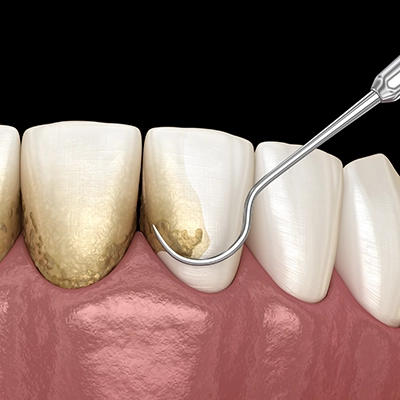
Periodontal (gum) disease is a chronic bacterial infection that affects the gums and the bone supporting the teeth. It begins with plaque—a sticky, colorless film of bacteria—that causes inflammation of the gums.
In its earliest stage, gingivitis, gums may become red, swollen, and bleed easily, often without pain. With proper professional care and good oral hygiene, gingivitis is reversible.
If left untreated, gingivitis can progress to periodontitis. In this advanced stage, bacteria produce toxins that trigger inflammation, causing the gums to pull away from the teeth and form infected pockets. Over time, this can lead to the breakdown of gum tissue and bone, potentially resulting in loose teeth or tooth loss.
The primary cause of periodontal disease is plaque buildup, but several factors can increase risk, including smoking, genetics, hormonal changes (such as pregnancy or puberty), stress, certain medications, teeth grinding or clenching, diabetes, poor nutrition, and other systemic health conditions.